Sulphur: protection, nutrition and sustainability in a single solution
Elemental sulphur is one of those “time-tested” ingredients that, far from going out of fashion, has now become a key component of sustainable agriculture, particularly in organic and low-environmental-impact strategies.
Elemental sulphur is one of those “time-tested” ingredients that, far from going out of fashion, has now become a key component of sustainable agriculture, particularly in organic and low-environmental-impact strategies.
Sulphur: effective protection without resistance
First and foremost, elemental sulphur stands out for its use as a fungicide authorised for organic farming. A major differentiating factor is that its active substance comes from the soil and that it is also the only known organic fungicide that does not generate resistance against powdery mildew. This makes it a strategic tool for integrated pest management programmes, where rotating active substances is essential.
Its use is widely established among farmers worldwide, particularly in viticulture, where powdery mildew control is a priority year after year. In Spain, AFEPASA sulphur is present in around 80% of vineyards, and exceeds 50% in Mediterranean areas, consolidating its position as one of the most cost-effective and reliable solutions for this problem.
Sulphur as a nutrient: beyond protection
But sulphur does not only protect: it also nourishes. From a nutritional perspective, elemental sulphur is a key source of this element, considered the most important secondary macronutrient, as recognised by European Regulation (EU) 2019/1009.
The major advantage of elemental sulphur compared with other forms of sulphur is its slow release. In practice, this means that it allows the sulphur content of the soil to be increased progressively, reducing losses through leaching and improving the farmer’s economic return. In addition, this approach helps minimise the risk of environmental contamination, an increasingly important consideration for the sustainability of the agricultural sector.
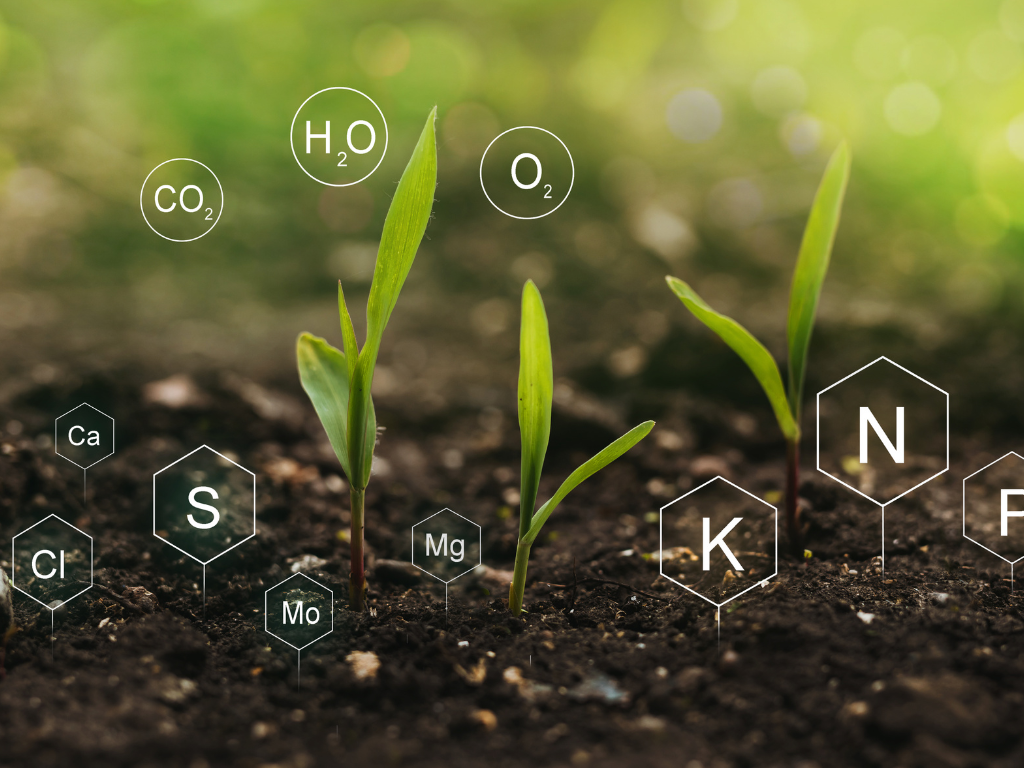
As an added benefit, elemental sulphur can contribute to:
- Reducing pH in alkaline soils
- Balancing electrical conductivity
- Improving soil structure
- Increasing fertility under limiting conditions
Sultech®: science-based biostimulation
Following years of research and development at AFEPASA, with support from CDTI, a new line of biostimulants was launched in 2017 under the Sultech® brand. It is a microbiological sulphur product specifically formulated to improve soil quality and crop performance.
Its main uses are:
1) Soil application (soil biostimulation)
Sultech acts as a biostimulant for beneficial microorganisms, promoting improvements in parameters such as pH, conductivity and nutrient availability, which translates into better crop health from the roots up.
2) Foliar application (direct plant biostimulation)
When applied foliarly, the approach is to act as a direct biostimulant, supporting key physiological processes in the crop. This can result in an improved response to stressful conditions (temperature, drought and nutritional imbalances) and more efficient plant functioning during periods of high demand.
Ultimately, elemental sulphur and Sultech® solutions make it possible to combine protection, nutrition and biostimulation within a single strategy, delivering real and sustainable agronomic value.